Mosquito Lawn Treatment
Mosquito Lawn Treatment: How to Reclaim Your Yard
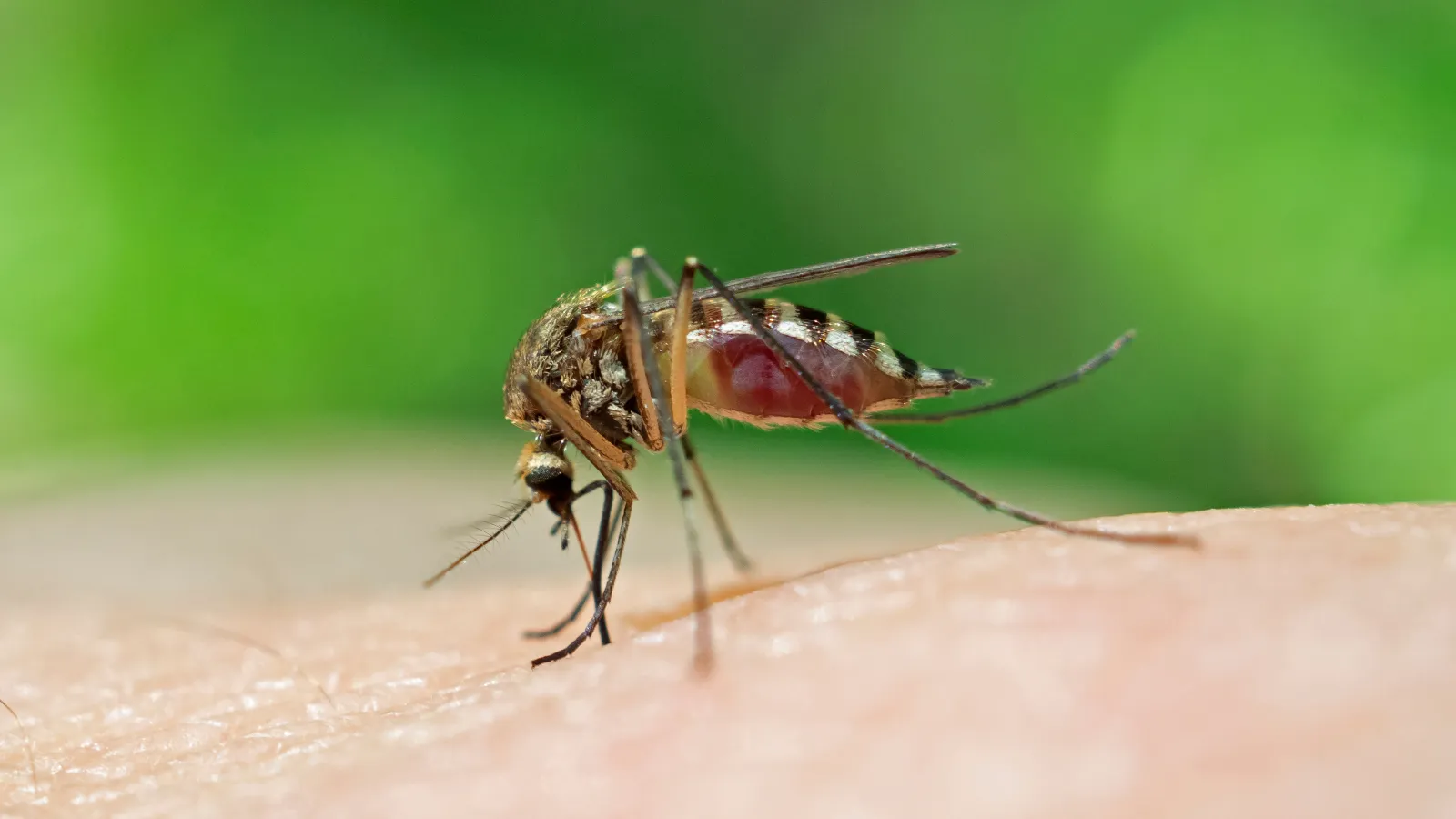
Nothing ruins a warm evening on your Georgia, Tennessee, or Florida patio faster than a swarm of mosquitoes. These persistent pests are more than a nuisance—they carry diseases like West Nile virus and Eastern equine encephalitis that put your family and pets at risk. A targeted mosquito lawn treatment is the most effective way to dramatically reduce mosquito populations around your home and let you enjoy your outdoor space again.
At Turf Masters Lawn Care, we help homeowners across Woodstock, Roswell, Nashville, and Melbourne take back their yards with professional-grade mosquito barrier treatments that go far beyond what any store-bought spray can accomplish.
Why Mosquitoes Target Your Lawn
Mosquitoes need three things to thrive: standing water for breeding, shade for resting during hot afternoons, and warm-blooded hosts for feeding. A typical residential lawn in the Southeast provides all three. Birdbaths, clogged gutters, plant saucers, and low spots that hold water after a summer thunderstorm create ideal breeding grounds where a single female mosquito can lay hundreds of eggs at a time.
Thick shrubbery, tall grass, and dense tree canopy give adult mosquitoes cool harborage during the day. By dusk, they emerge hungry. Without professional intervention through a dedicated mosquito control program, populations compound rapidly between April and October—the peak mosquito season across Georgia, Tennessee, South Carolina, and Florida.
How Professional Mosquito Lawn Treatment Works
Professional mosquito lawn treatments use a barrier spray approach that targets the shaded resting areas where adult mosquitoes congregate. A trained technician applies a residual product to the undersides of leaves, along fence lines, under decks, and around the perimeter of your property. This barrier eliminates mosquitoes on contact and continues to repel new arrivals for several weeks.
At Turf Masters, our mosquito treatment pairs naturally with our comprehensive lawn care program to keep your entire property healthy and pest-free. Technicians also identify and treat potential breeding sites during each visit—an integrated approach that interrupts the mosquito life cycle at every stage.
Standing Water and Landscape Factors That Attract Mosquitoes
Even a bottle cap of standing water can produce mosquitoes. Common culprits in Southern yards include ornamental ponds without aerators, French drains that stay damp, and neglected tree holes. Your landscape choices matter too—dense ivy beds and unpruned shrubs create the shaded micro-environments mosquitoes prefer.
Addressing these landscape factors is a critical complement to barrier sprays. Keeping your tree and shrub care up to date by trimming back overgrowth improves air circulation and reduces the shady pockets where mosquitoes hide. Combined with eliminating standing water sources, this two-pronged approach maximizes the effectiveness of every treatment visit.
Seasonal Mosquito Prevention Tips for Southern Homeowners
Spring is the time to get ahead of mosquito season in the Southeast. As temperatures consistently reach the upper 60s in March and April, overwintering mosquito eggs begin hatching. Starting your mosquito lawn treatment program early creates a protective barrier before populations explode in May and June.
Throughout summer, empty any containers that collect rainwater at least once a week. Keep your lawn mowed at the recommended height for your grass type—Bermuda at 1 to 1.5 inches, fescue at 3 to 3.5 inches, and zoysia at 1 to 2 inches. Shorter turf dries faster after rain, making your yard less inviting to mosquitoes. Also consider scheduling fire ant control treatments alongside mosquito service, since both pests peak in the same warm months.
DIY vs. Professional Mosquito Treatment: What Actually Works
Citronella candles, tiki torches, and retail foggers provide temporary relief in a small radius, but they don't address the root of the problem. Store-bought sprays break down in sunlight within hours, leaving your yard unprotected by the next evening. Mosquito traps may catch some adults, but they barely dent a breeding population.
Professional barrier treatments use commercial-grade products applied with precision equipment that coats the foliage where mosquitoes actually rest. The residual effect lasts three to four weeks, providing continuous protection between scheduled visits. For families in Cumming, Spring Hill, Greenville, and Melbourne who spend time outdoors regularly, the difference between a DIY approach and professional treatment is night and day.
When to Start Your Mosquito Treatment Program
In Georgia and Tennessee, mosquito season typically runs from late March through October. Florida homeowners may deal with mosquitoes year-round due to the subtropical climate, though activity peaks between June and September. South Carolina falls somewhere in between, with a season stretching from April through early November.
The ideal time to begin treatment is four to six weeks before peak season—meaning February or early March in Florida, and late March in Georgia, Tennessee, and the Carolinas. Starting early builds a barrier before the first major hatch, giving you a head start that compounds throughout the season.
Frequently Asked Questions About Mosquito Lawn Treatment
- How often should I get my lawn treated for mosquitoes? Most professional programs treat every 21 to 30 days during mosquito season. In Florida and coastal South Carolina, monthly treatments may extend year-round. Turf Masters customizes your schedule based on your specific region and property conditions.
- Is mosquito lawn treatment safe for kids and pets? Yes. Professional-grade barrier sprays are applied to foliage and perimeter areas, not directly to turf where children and pets play. Once the product dries—typically within 30 minutes to an hour—the treated areas are safe for normal activity.
- Will mosquito treatment harm beneficial insects like bees? Barrier sprays target resting mosquitoes in shaded foliage, not flowering plants where pollinators feed. Professional technicians are trained to avoid blooming flowers and focus application on the specific areas where mosquitoes harbor.
- Can I mow my lawn after a mosquito treatment? Wait at least 24 hours after treatment before mowing. This allows the barrier product to fully bond to leaf surfaces. Mowing too soon can remove the protective residue from grass blades and reduce effectiveness.
- What if it rains after my mosquito treatment? Professional barrier products are rain-resistant once dry. Light rain within a few hours of application is usually fine, but a heavy downpour within the first hour may require a retreatment. Your technician will advise you based on the forecast.
Protect Your Yard with Turf Masters Mosquito Treatment
Don't spend another season swatting mosquitoes every time you step outside. Turf Masters Lawn Care delivers professional mosquito lawn treatments across Georgia, Tennessee, South Carolina, and Florida that create a lasting barrier around your home. Our trained technicians handle everything—from identifying breeding sites to applying targeted barrier sprays—so you can enjoy your yard without the bite. Request your free estimate today and take back your outdoor space.